Students across North Texas have been organizing walkouts; however, the Texas Education Agency and Texas Governor Greg Abbott warn students and school districts of consequences if they exercise their First Amendment right to protest during the school day.
While students’ rights differ from those of adults, students still have the right to peacefully protest under the Tinker v. Des Moines case of 1969.
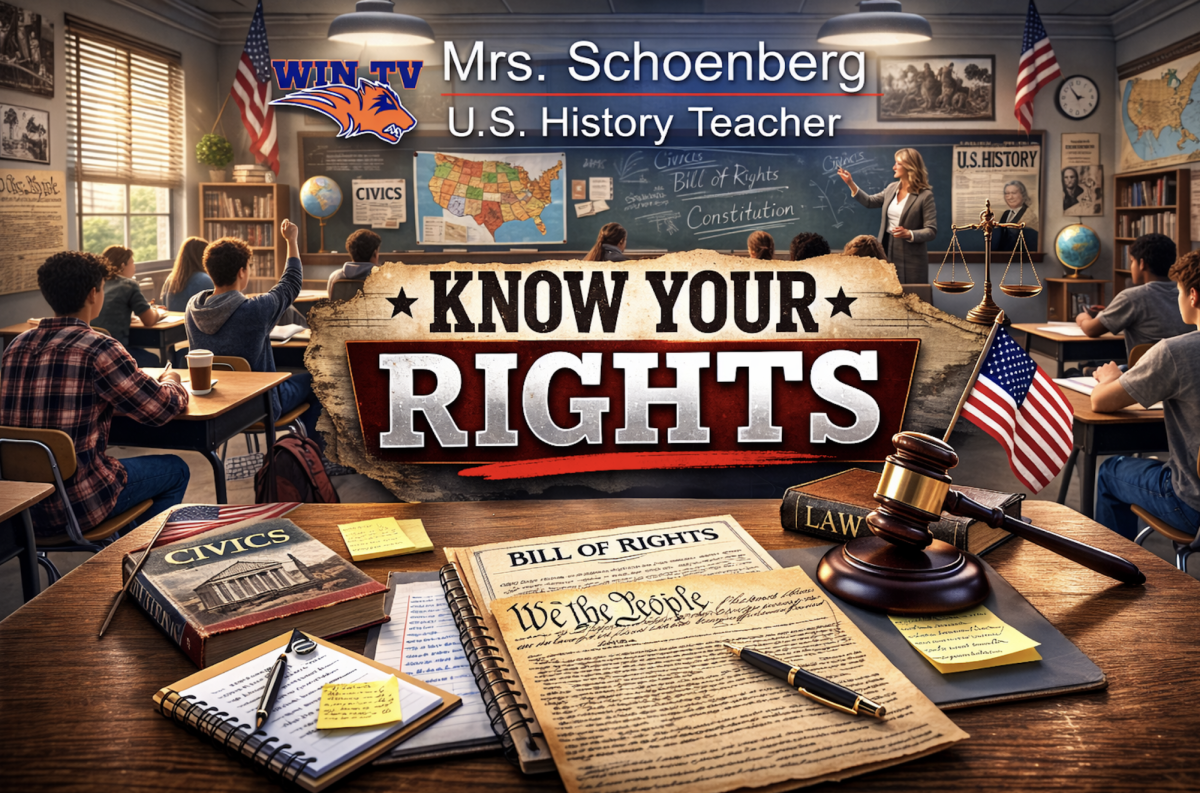
“As it pertains to students, we have a court case from 1969, where a group of students in Des Moines, Iowa, wanted to protest the United States’ involvement in the Vietnam War,” said U.S. History teacher, TJ Schoeneberg. “It was just a silent protest. In this [the Supreme Court] actually ruled in favor of the students since their protest wasn’t harmful.”
The Tinker vs. Des Moines case of 1969 ruled that students do not “shed their constitutional rights to freedom of speech or expression at the schoolhouse gate.” This ruling still applies to students’ usage of their First Amendment.
Even though the protests within North Texas have been peaceful walkouts, Government leaders are still criticizing school districts.
Texas Governor Greg Abbot has made multiple statements involving the walkouts. “…We are looking into stripping the funding of schools that abandon their duty to teach our kids,” said Gov. Greg Abbot in a post on X.
Frisco ISD has also stated its response to student walkouts.
“Frisco ISD does not sponsor, organize, support, or encourage student walkouts,” said a Frisco ISD spokesperson in an email on Feb. 5, after rumors of a planned walkout at multiple FISD high schools.
They continued, acknowledging student rights, but promoting that student safety is the district’s priority.
“Any activity that disrupts instruction, compromises student safety, or interferes with normal campus operations may be addressed and discontinued by campus administrators,” said FISD in their email. “Law enforcement support may be utilized if necessary to ensure campus safety.”
While loud, violent, or disruptive protests are not allowed, students may protest peacefully.
“It’s very important for students to know their rights,” Schoeneberg said, “You have the constitutional right. I want students to know that so [students] can exercise those rights responsibly. As long as [students] know that there are limits to what you can do and there can be consequences for your actions, then you are free to exercise your rights.”