

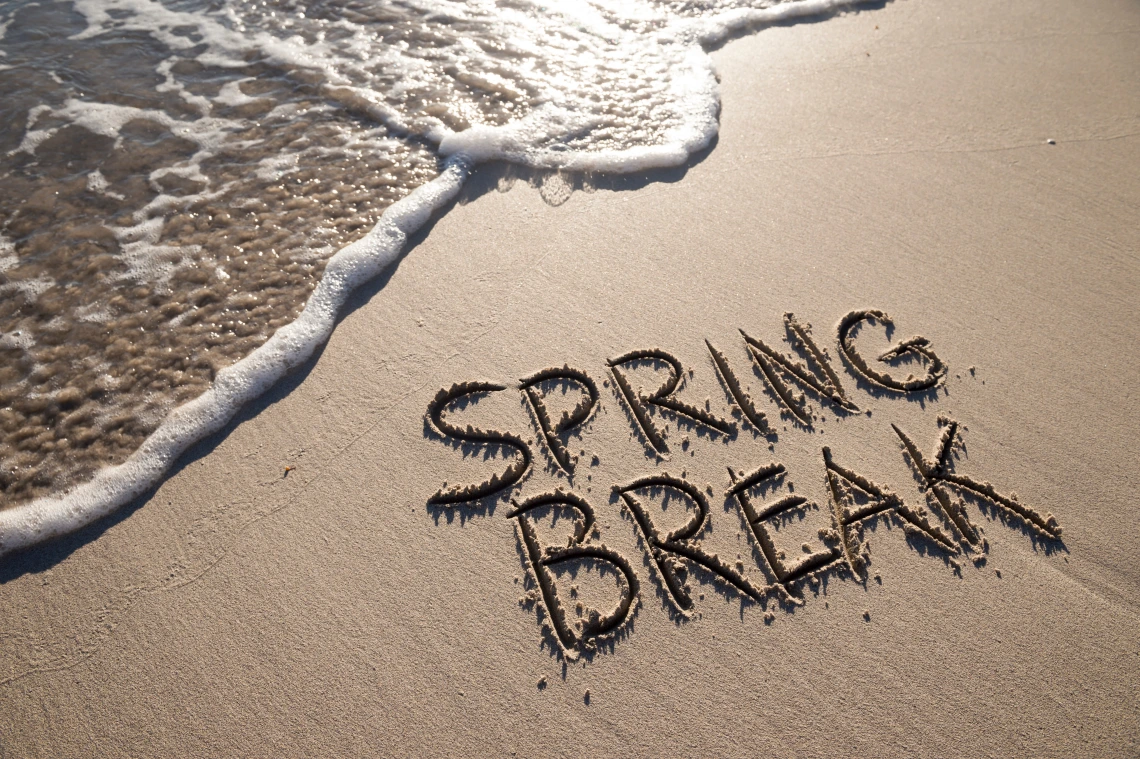
The traditional concept of spring break has long been synonymous with coastal migrations to neon-lit beaches. But in 2026, Dallas has redefined the tradition into a sophisticated urban odyssey for the modern teenager. No longer just a center of commerce, the Big D has leveraged its blend of high-tech entertainment and expansive green spaces to capture the attention of a generation that values interactive experiences over mere relaxation.
This shift represents a broader cultural movement where the traditional getaway is being replaced by the “staycation,” turning the North Texas Metroplex into a premier destination for those seeking both digital engagement and genuine community connection.
At the heart of this year’s appeal is the seamless integration of technology and physical reality. Destinations like the Netflix House at Galleria Dallas have become massive hits, allowing students to step directly into the sets of “Stranger Things” and “Squid Game.” For those seeking a cognitive challenge, SENSAS Dallas offers a multisensory experience in total darkness, while Meow Wolf Grapevine continues to draw crowds with its “Brain Bean Buddies” workshops. These venues are designed for a demographic that views the world through an interactive lens — not just spectators, but participants in an evolving narrative. By offering “Instagrammable” aesthetics paired with genuine problem-solving, Dallas has successfully tapped into the teenage psyche.
Still, the 2026 season is not defined solely by digital allure; it is grounded in an intentional return to public spaces and collective celebration. The revitalization of Klyde Warren Park, featuring its “Spring Break in the Park” series with silent discos and outdoor screenings of “Zootopia 2,” demonstrates a lingering desire for nature and open-air assembly. Even in a high-tech age, the draw of the Dallas Arboretum’s “Enchantment of Orchids” festival or the U-pick fields at Texas Tulips remains undeniable. These venues provide a counterweight to the pressures of the school year, offering third spaces where students can engage with peers in a safe, culturally rich environment distinct from their everyday academic lives.
Ultimately, spring break 2026 in Dallas serves as a microcosm of the city’s broader evolution into a world-class cultural epicenter. Through coordinated public transit expansion, such as the DART Silver Line, and a diverse calendar that includes the Perot Museum’s “Soccer: More Than a Game” exhibit, the city has created a blueprint for the modern urban vacation. For the thousands of students navigating the streets of Dallas this week, the break is more than just a hiatus from homework — it is an exploration of a city that has learned to speak their language, balancing the thrill of the new with the comfort of community.